Purpose
Transform structure into experience — where strategy becomes design.
Shared under the: Limited Presentation License: UX Design Process >> license
Transform structure into experience — where strategy becomes design.
The high-fidelity prototype is where visual and functional clarity merge. It takes everything learned from the previous usability round — feedback, insights, and refinements — and translates them into a cohesive, visually complete, and interaction-ready version of your product.
This stage bridges research and implementation, allowing stakeholders to experience a near-final representation of the digital product before development begins.
The process begins by integrating key insights from the Usability Testing Report.
I focus on resolving friction points, improving navigation clarity, and refining interaction logic to ensure the experience aligns with real user behavior and expectations.
This ensures that the design evolves not by assumption, but by evidence.
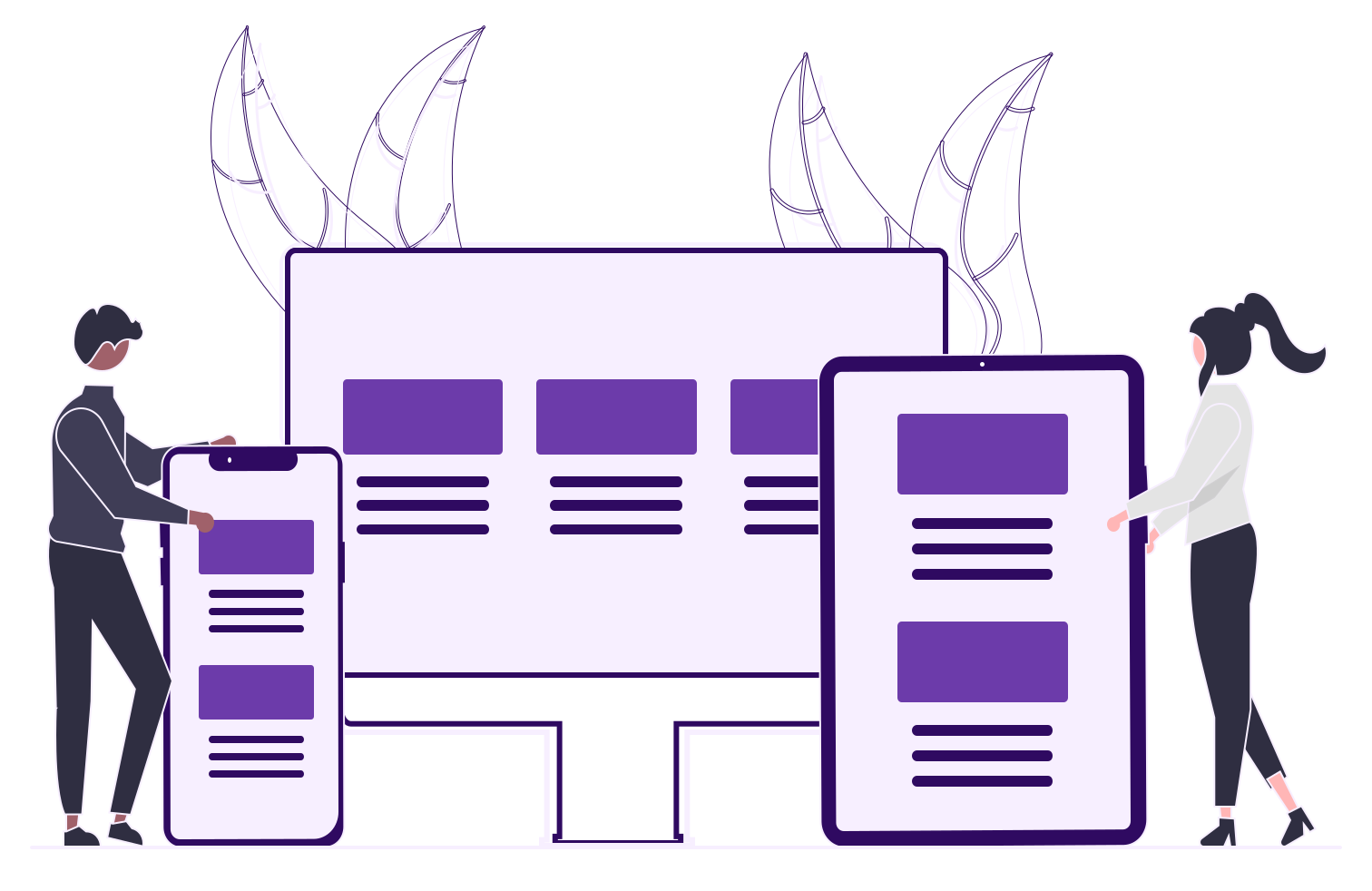
Once the foundation is optimized, I introduce basic interactivity and transitions — including form submissions, hover states, and page-to-page flow.
These additions provide a more authentic simulation of the final experience, helping stakeholders and collaborators understand the rhythm and responsiveness of the interface.
The prototype becomes an environment you can explore, not simply observe.

This phase transforms structure into identity.
I refine typography, spacing, and color palettes, ensuring each aligns precisely with your brand language and accessibility standards. Icons, imagery, and microinteractions are polished to convey professionalism and trust.
The result: a visual experience that feels deliberate, intuitive, and consistent — making it more than just beautiful.
The high-fidelity prototype is presented in iterative cycles, allowing for structured feedback and collaboration.
Each review focuses on specific layers of refinement — layout, motion, and brand cohesion — ensuring that the product reflects both the user perspective and your vision.
Following presentations, I refine the prototype over multiple iteration cycles.
Each round targets progressively finer details — from layout corrections to interaction timing and visual hierarchy.
By continuously testing assumptions and reviewing flow, we ensure the prototype reaches a level of precision that’s development-ready.
This cycle-driven process guarantees that refinement happens efficiently and intentionally, not reactively.
The stage concludes with a full review and final refinement pass.
I ensure consistency across all screens, verify that every component aligns with accessibility and visual standards, and prepare the prototype for developer handoff or stakeholder presentation.
At this point, the high-fidelity prototype is a fully realized, interactive representation of your product — complete with the look, logic, and usability of the final experience.
A visually complete, interaction-ready prototype that reflects user insights, brand standards, and strategic goals — providing a clear, testable foundation for final validation and development.
Estimated Total Duration: ~25–30 days
Deliverables:
Navigation Tips