Purpose
Translate strategy into structure.
Shared under the: Limited Presentation License: UX Design Process >> license
Translate strategy into structure.
This stage transforms research insights into tangible layouts — shaping the foundation of your product’s visual and functional hierarchy. Wireframes act as the blueprint that defines how users will interact with your product before aesthetic details are introduced.
The process emphasizes clarity, collaboration, and iteration — ensuring that each decision serves both user needs and business goals.
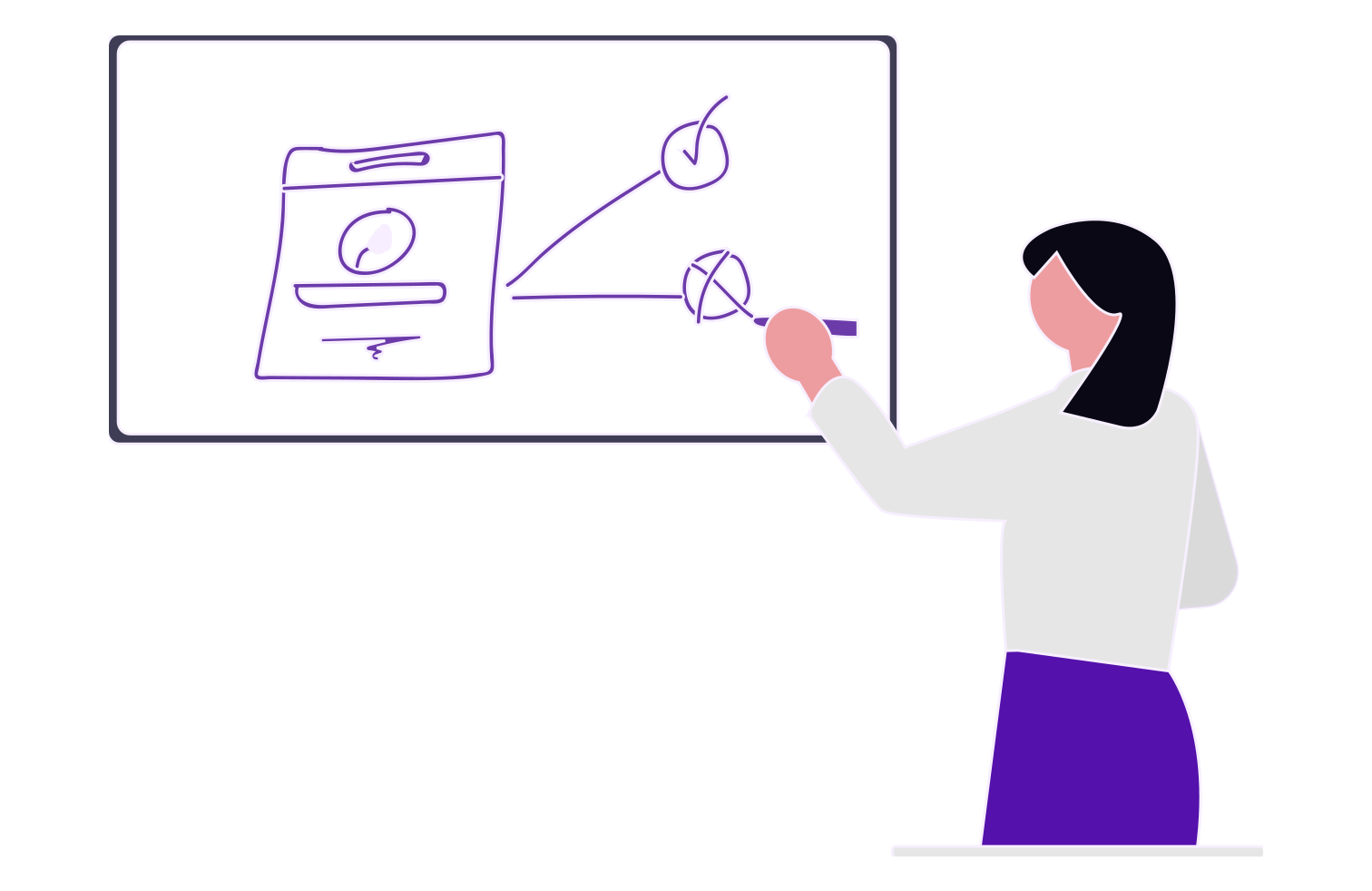
The process begins with hand-sketched wireframes that explore layout and structure through quick, flexible ideation. These low-commitment sketches allow for rapid iteration and creative freedom before committing to the digital format. You’ll receive progress updates and have early opportunities to provide direction.
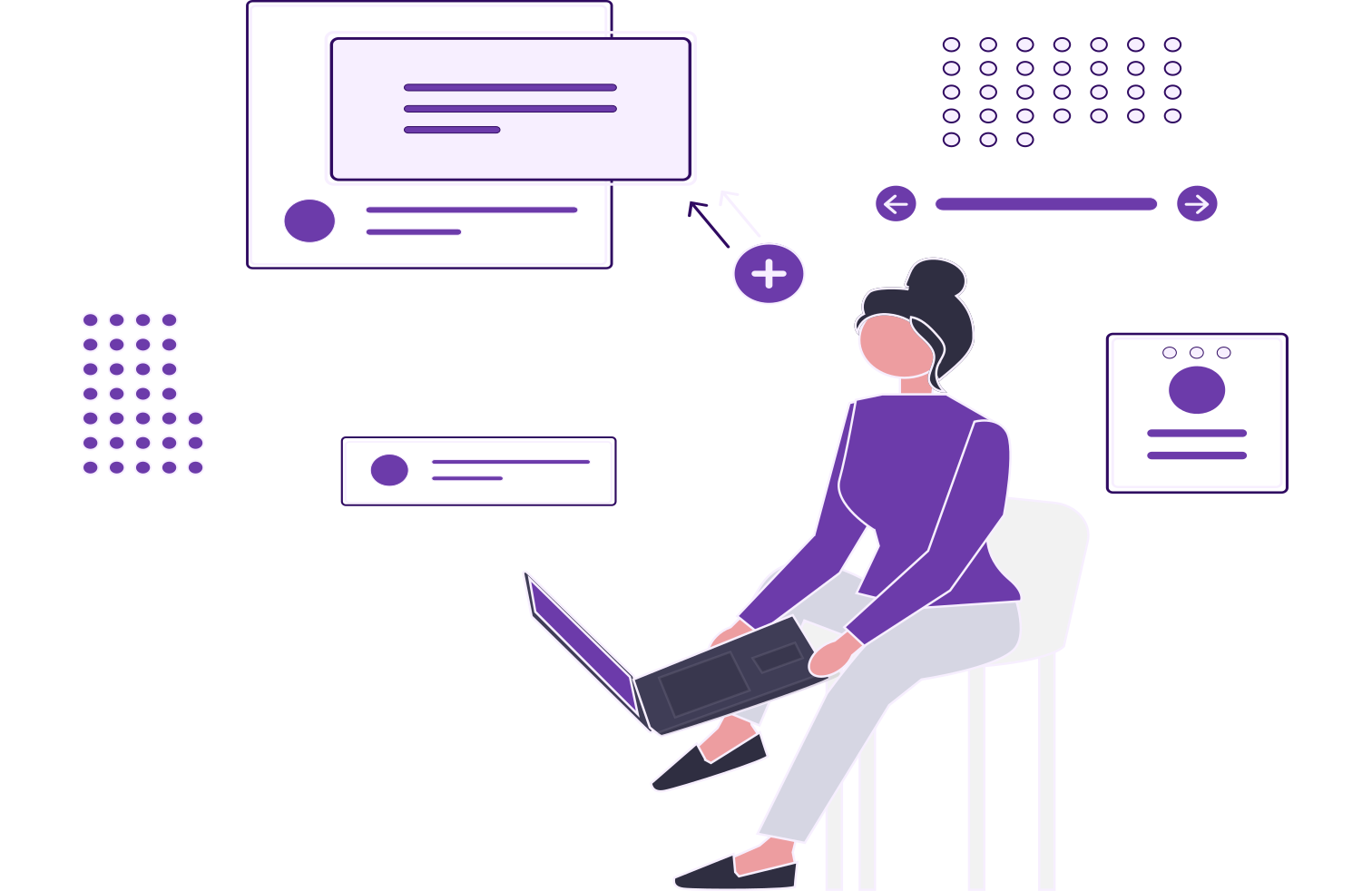
Once the foundational ideas are validated, the selected concepts are translated into digital form using Figma. Here, structure and interaction logic are refined — maintaining a low-fidelity aesthetic to focus on functionality and user flow. This step establishes the framework on which high-fidelity design will later be built.
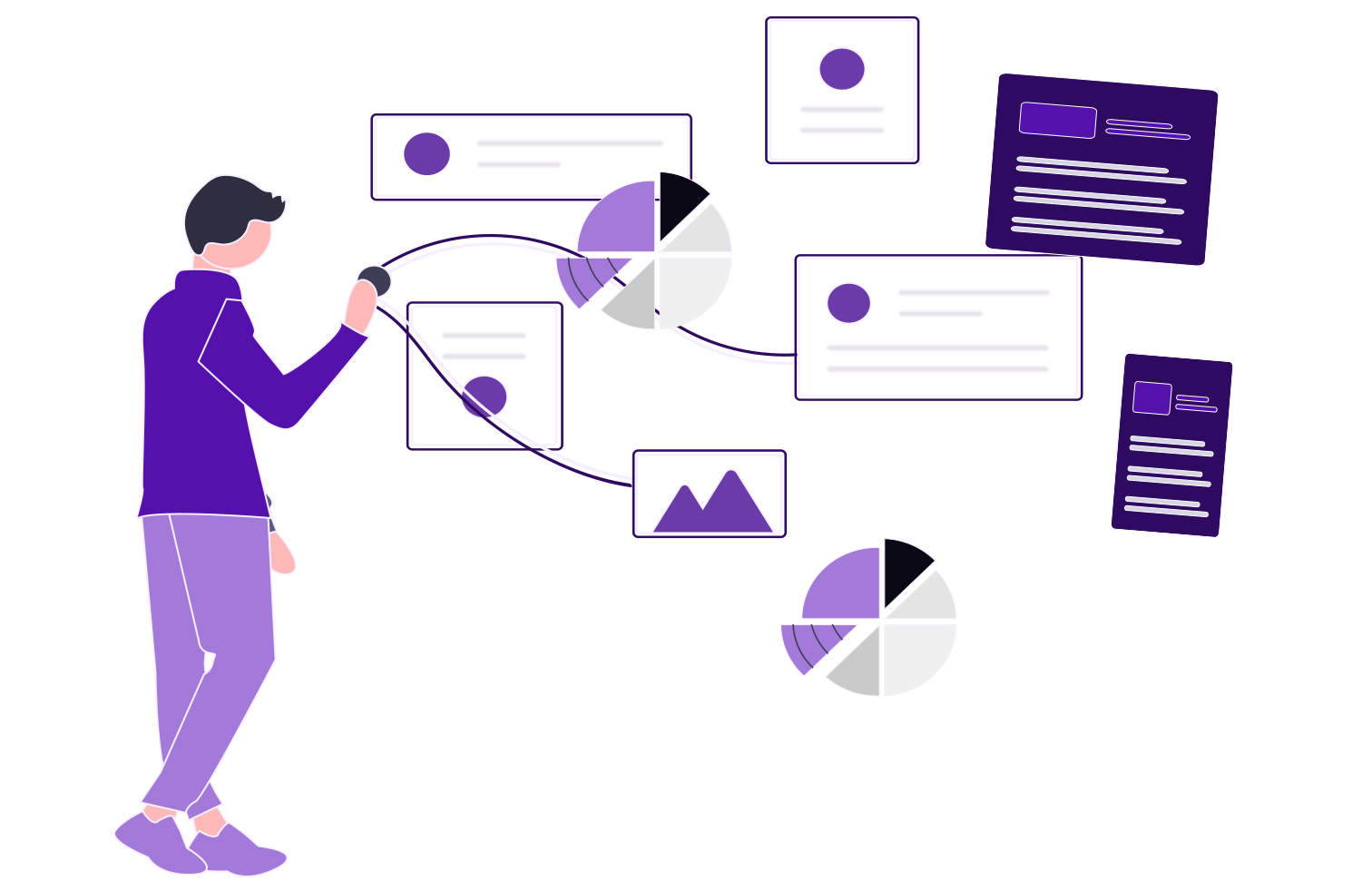
The first digital wireframes are shared for review. During this collaborative session, we focus on verifying alignment between your strategic goals and user expectations. Your feedback ensures the direction remains consistent with your vision while staying user-centered.
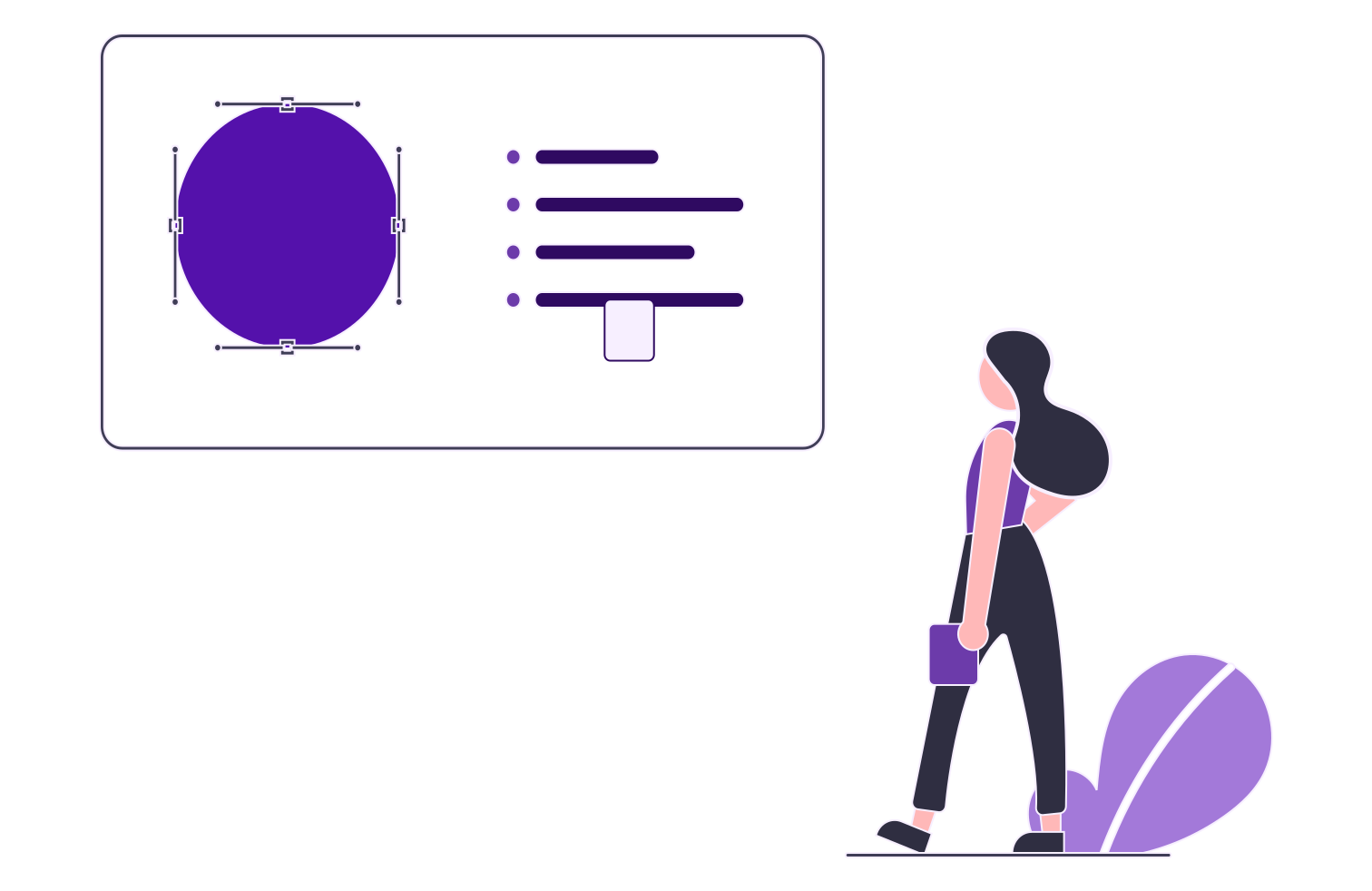
Feedback is integrated through multiple refinement rounds. Layout, hierarchy, and navigation are adjusted until the structure feels both intuitive and purposeful. This iterative process blends design rationale with your feedback to create a balanced, data-informed outcome.
(Presentation and iteration typically overlap in practice — combined, this cycle spans approximately 18 days depending on the project’s scope and required revisions.).svg)
Finally, all findings are organized into a concise, actionable reference — a research summary and strategic brief that can be easily shared with collaborators or stakeholders. It becomes the compass for all upcoming design stages.
As a solo UX designer, timelines are optimized for efficiency and precision. However, project scale, required collaboration, and review depth may extend certain phases. When a project demands greater detail or team input, the process adapts accordingly — ensuring that quality is never compromised.
Navigation Tips