Purpose
Establish a factual and strategic foundation for every design decision.
Shared under the: Limited Presentation License: UX Design Process >> license
Establish a factual and strategic foundation for every design decision.
Before any visuals or prototypes are created, the process begins by aligning on business goals, user needs, and the competitive landscape. This stage transforms information into insight — ensuring the design work that follows is focused, validated, and measurable.

The process starts with a clear view of your project’s intent. During this time, I review your existing research, objectives, and success metrics to define what the product needs to achieve and what constraints we’ll need to consider.
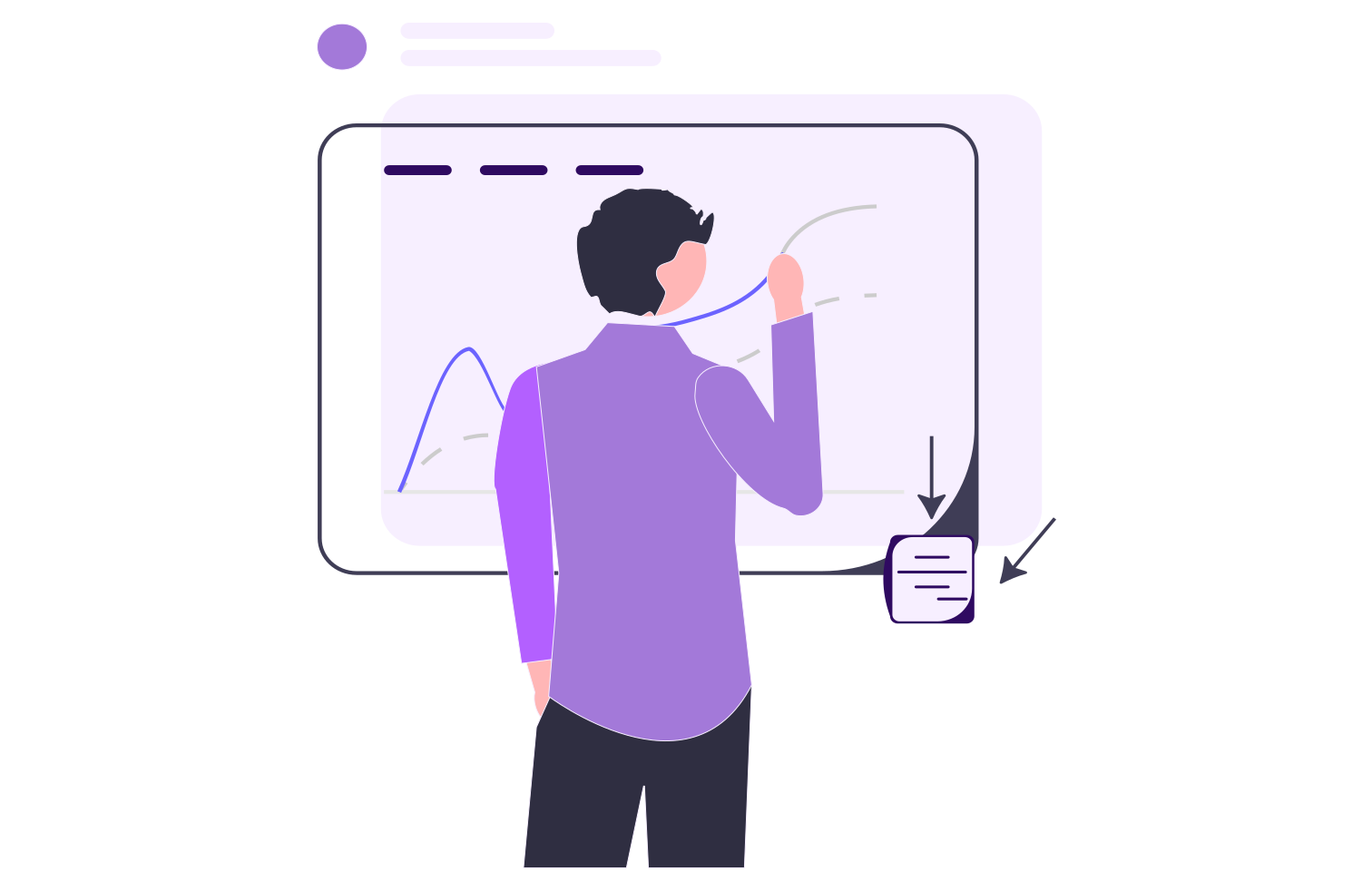
Next, the focus shifts to people — your users. By analyzing available research and identifying behavioral patterns, I define who we’re designing for, what they value, and where pain points or unmet needs exist. This ensures the work remains user-driven from the start.
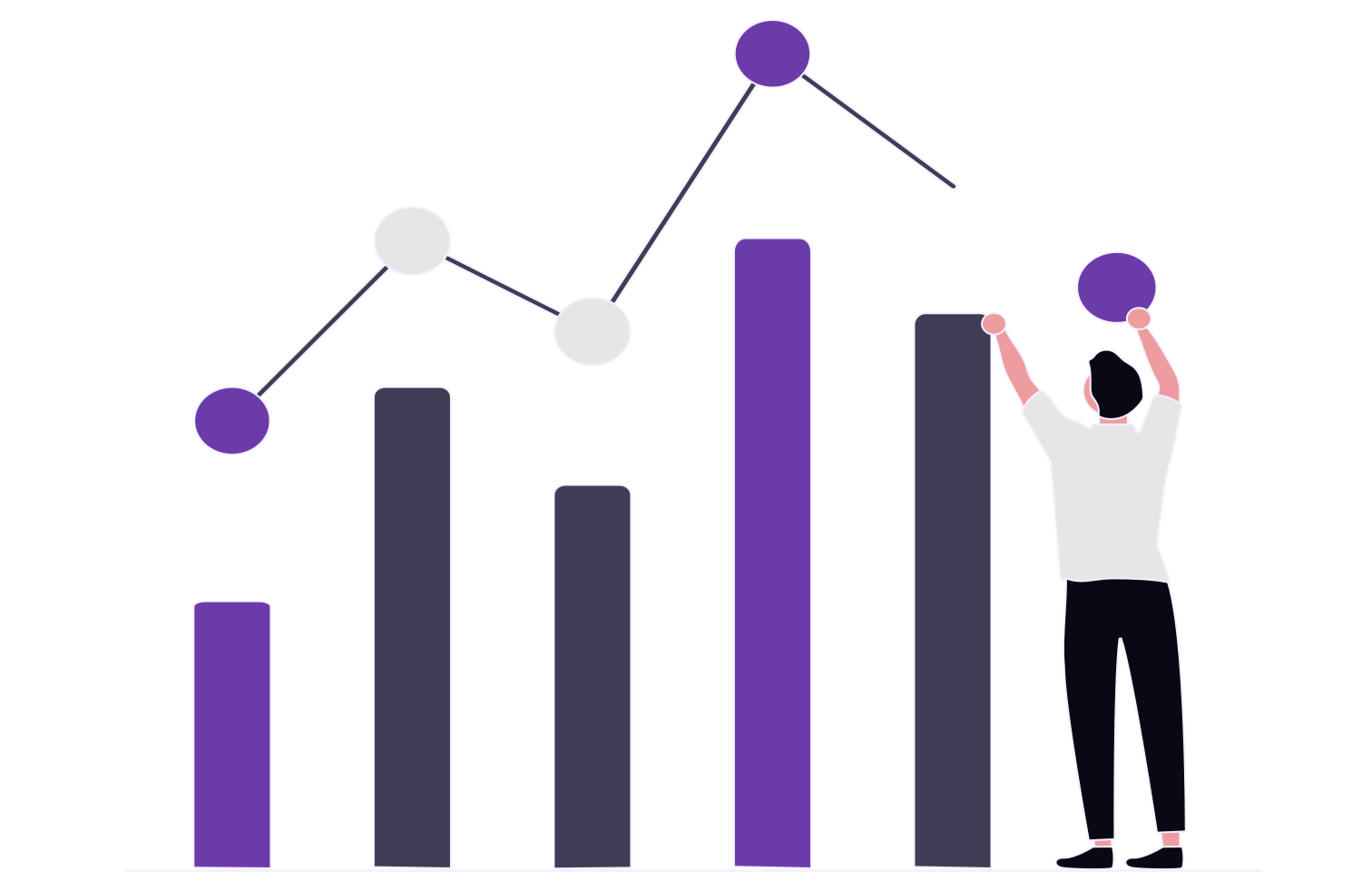
Next, the focus shifts to people — your users. By analyzing available research and identifying behavioral patterns, I define who we’re designing for, what they value, and where pain points or unmet needs exist. This ensures the work remains user-driven from the start.
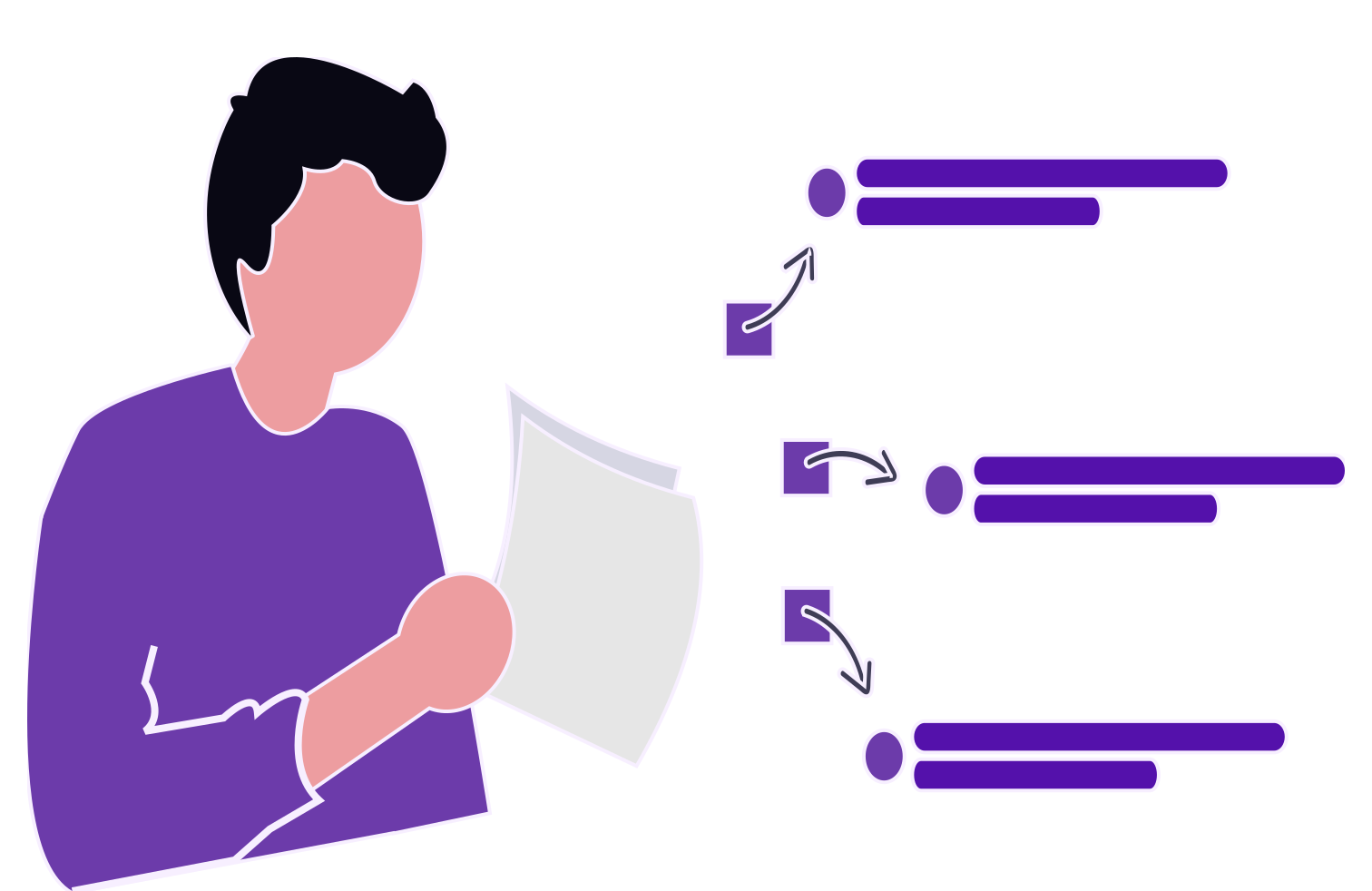
Here, research becomes direction. Insights are distilled into guiding principles, user journeys, and experience goals that tie every future design decision back to evidence. This stage defines why and how we’ll design, moving from simply having to desing something.
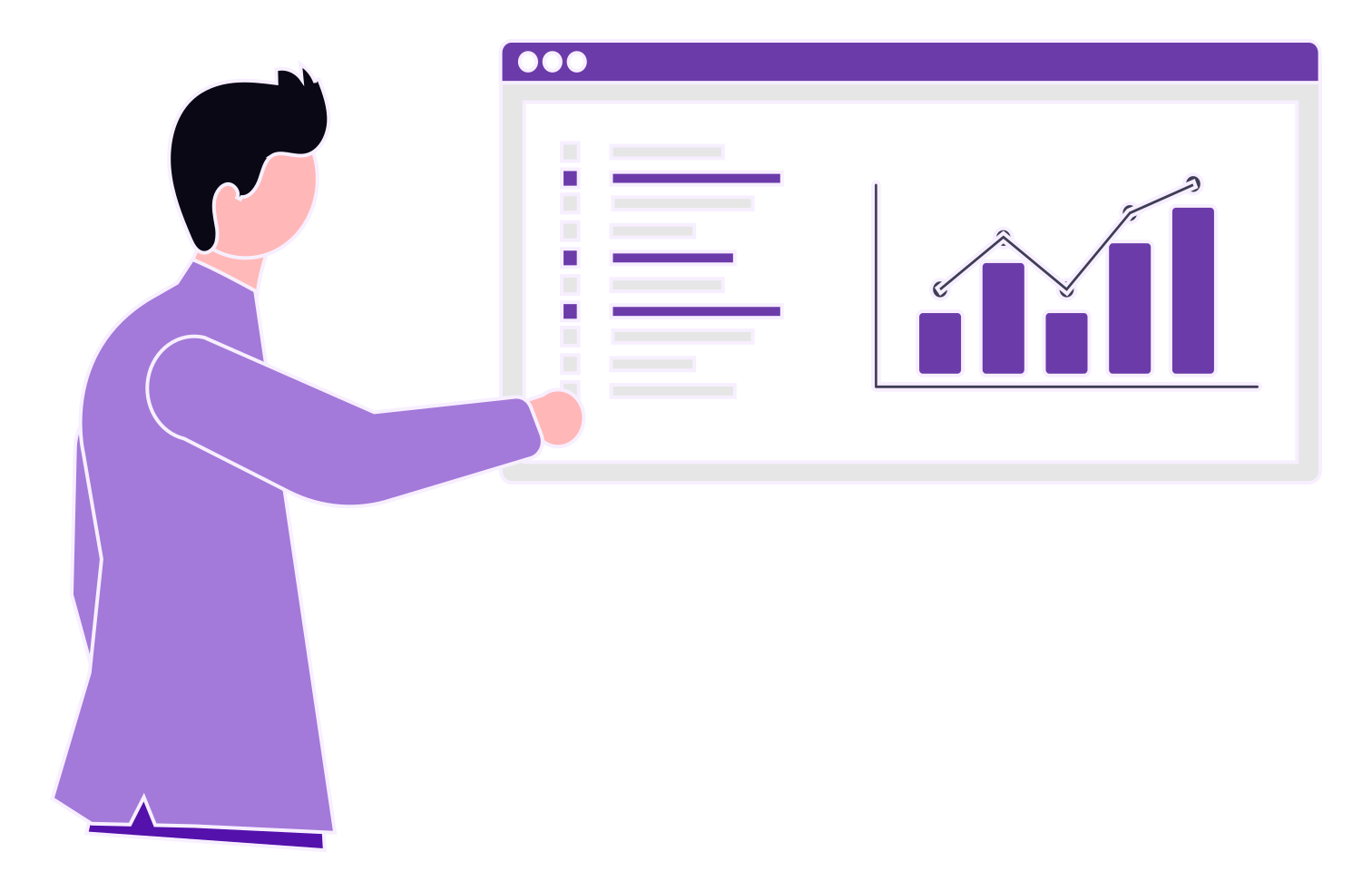
Finally, all findings are organized into a concise, actionable reference — a research summary and strategic brief that can be easily shared with collaborators or stakeholders. It becomes the compass for all upcoming design stages.
This structure represents the timeline for a single UX designer conducting research independently. In team settings, timelines may expand to accommodate collaboration, feedback loops, or deeper testing. Scope and level of depth can always be scaled depending on project needs and available data.
Navigation Tips