Applying permutations to UX Design Systems
Part of The Strategic Solutions Design Process
Shared under the: Limited Presentation License: UX Design Process ›› license
A while ago I was struggling really badly with making feature variants…
And I am not talking about Normal — Success — Failure — Warning components.
I am talking about the different ways in which I could make a single card.
While applying permutations!

The Realization
Then I realized something felt off…
- Images must always be present
- Other elements can appear or not
- And order actually matters
Once order matters, the count explodes. And intuition stops working.
.jpg)
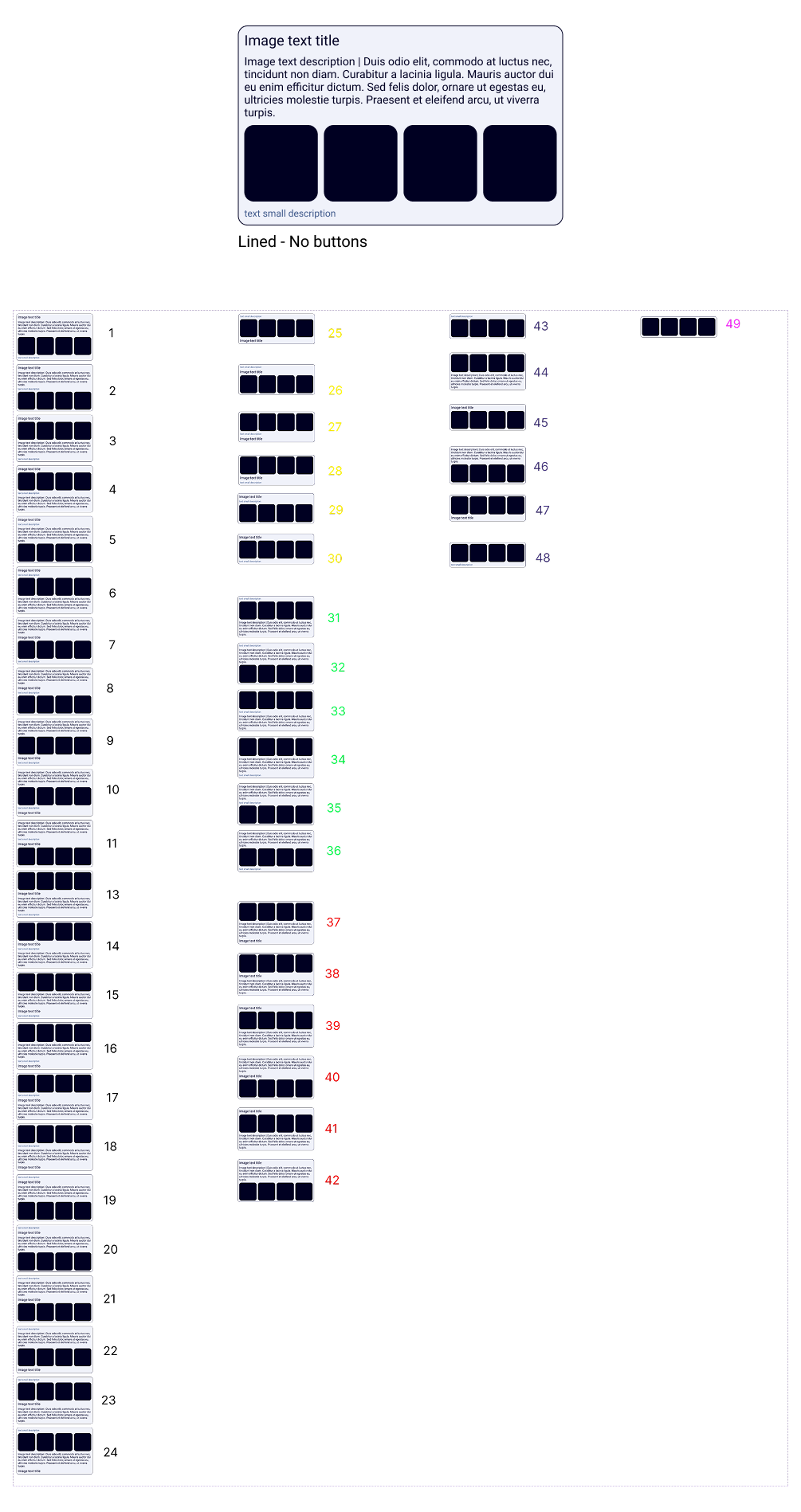
After counting it correctly, there are 49 valid permutations
- This does NOT mean I needed 49 designs
- It means 49 configurations are possible
- I can choose how many I’d want to support
The mistake wasn’t bad math — it was assuming intuition works when order matters.
Once order matters, I needed combinatorics, not guessing. And I am loving how this looks!
A card example from Aurea Grid is shown to the right.
AND!!!
Within these 49 permutations there can be more options! What if they are lined? Are the components going to be normal/”floating”? Are they going to be overlays? Would the have certain design styles like neobrutalism? — if so… how many design variations can I make from it?! How many options could I design?!?!?! 🤩
.jpg)
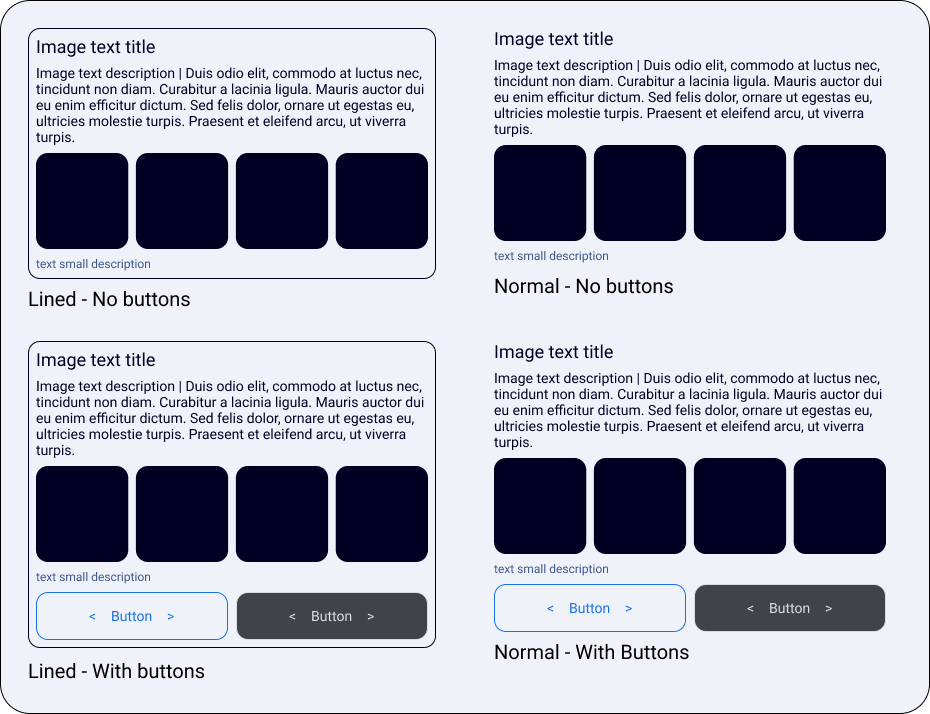
Yeah… The numbers kept growing and growing, but for reliance, I’m only adding two version + their versions with buttons.
Example:
There’s currently 7 Strategic Solutions added based on this UX Design System Family — Aurea Grid, more are currently being refined.
For more information and screenshots, please see Design System Families ››