If you start your design in Figma, you’re already behind.
Most SaaS teams jump straight into Figma to "see how it looks." This is a mistake. When you start with pixels, you’re decorating; you’re not architecting.
At the scale-up stage, the "look" of your app is easy to change. The logic of your app is what gets you stuck.
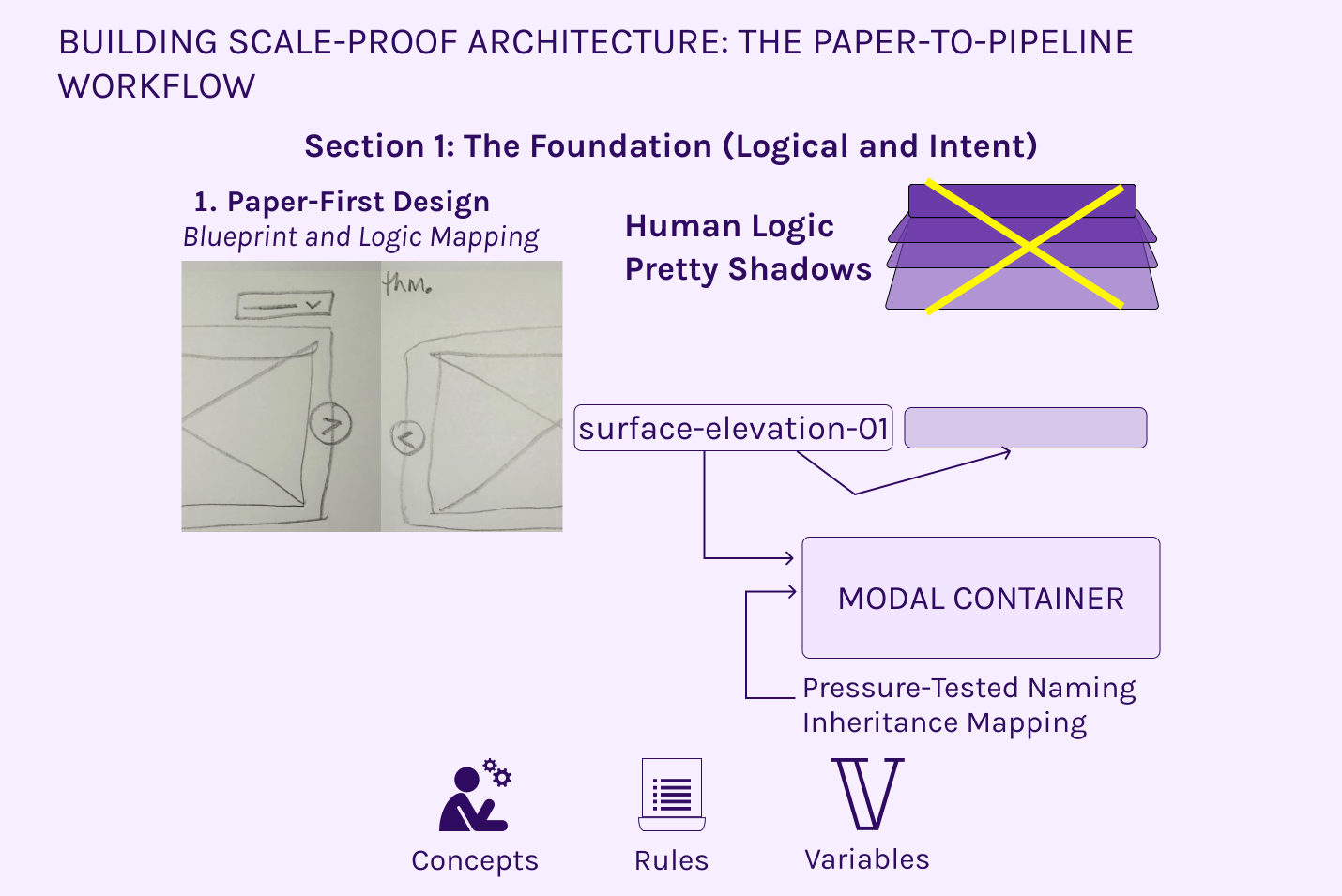
The "Paper-First" Constraint
Before we draw a single button, we map out the system on paper. Why? Because paper forces us to solve for Human Logic and Technical Constraints without the distraction of "pretty" shadows.
- We define the inheritance: How does a surface-elevation-01 behave when it’s nested inside a modal-container?
- We pressure-test the naming: Does this token name make sense to a junior dev on their first day?
- We verify the IP: By documenting the provenance of every decision, we ensure your design system is 100% original, human-made, and legally clear. No AI-generated "noise" that leaves your brand’s IP in a gray area.
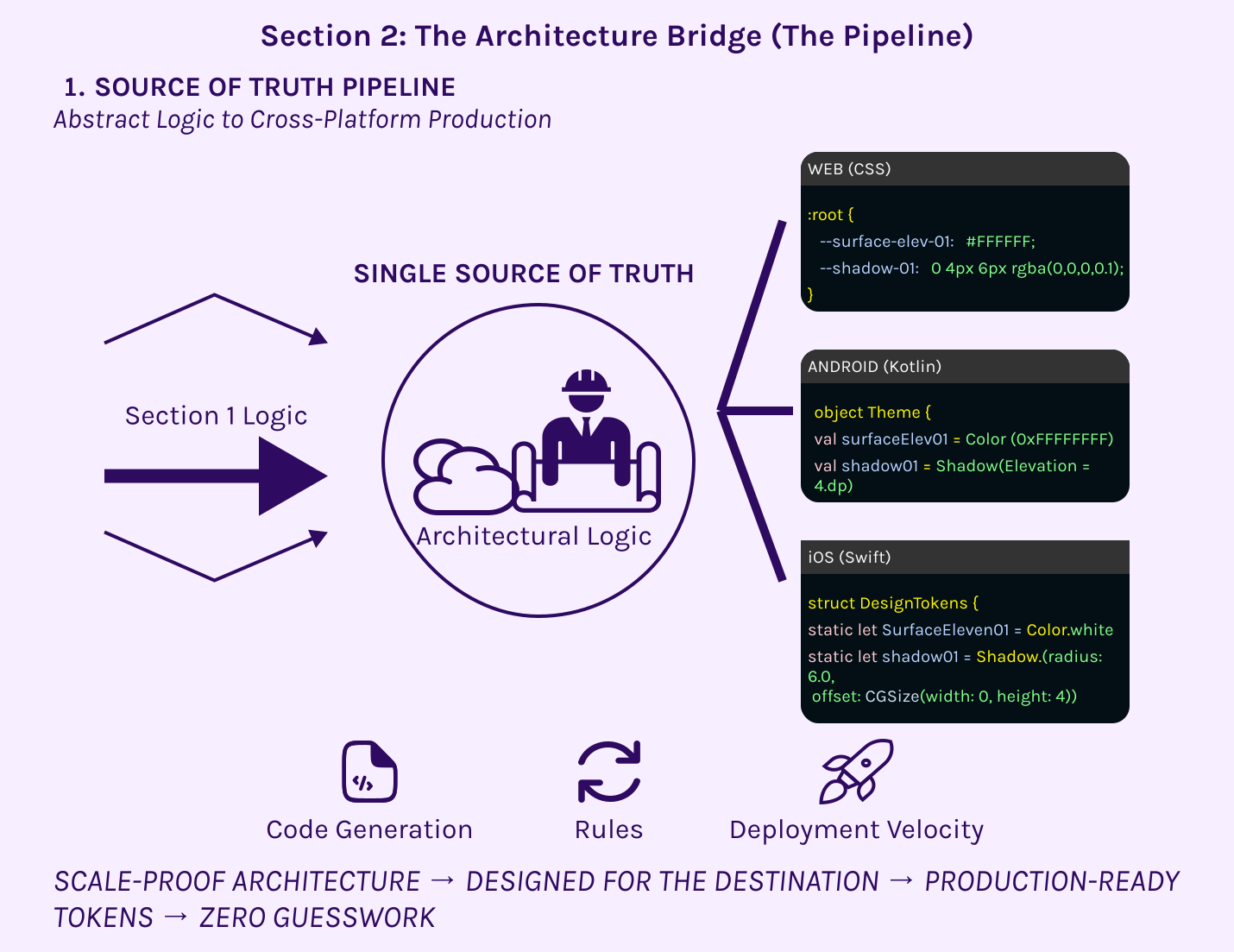
The Architecture Bridge
Only once the logic is bulletproof on paper do we move it into the pipeline.
- Paper: Logic & Intent defined.
- Figma: Visual parity achieved.
- The Repo: Production-ready tokens exported as CSS custom properties, Kotlin objects, and Swift constants.
Why this matters for CTOs and Product Owners
When you start with a "Paper-to-Pipeline" workflow, you eliminate the "Guesswork" phase of engineering. Your developers don't have to ask, "Why is this margin 16px here but 20px there?" The answer is already baked into the architectural logic.
This isn't about "getting creative." It’s about building a Source of Truth that is so logically sound, adding a new complex dashboard or a filtering system doesn't break your existing patterns.
Stop designing for today. Architect for the scale you’re heading toward.
Ready to move past fragmented UI? Submit our Design System Intake >> form